Energies@mancock.net
WhatsApp: (+242) 06 714 6667
ENVIRONMENTAL IMPACT ASSESSMENTS
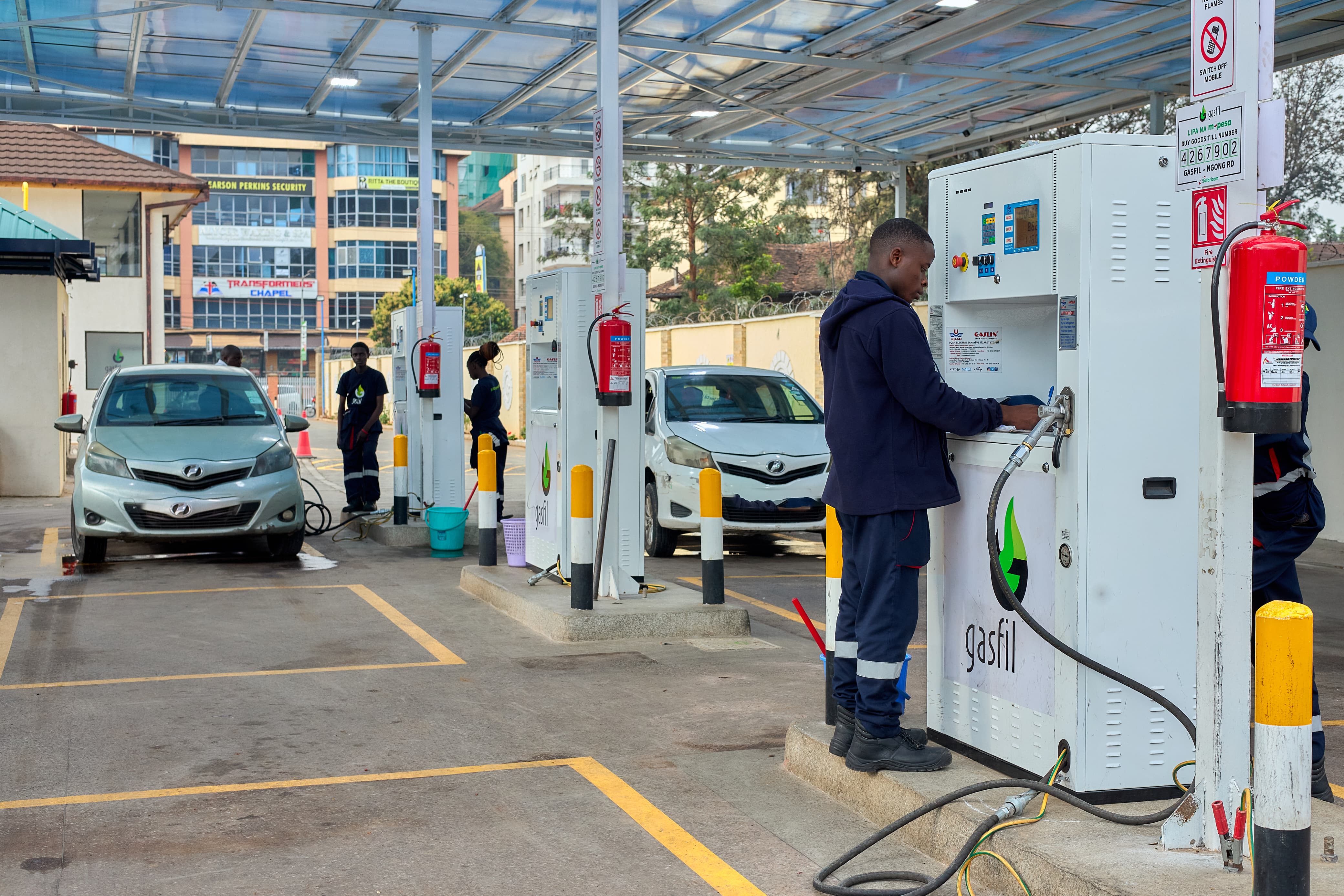
We assist organizations that are planning to transition to natural gas-powered mobility by providing clear and credible environmental assessments that support responsible decision-making. Our environmental impact assessments evaluate how the adoption of CNG or LNG affects your environmental footprint across real operating conditions. The objective is to quantify benefits, identify trade-offs, and ensure that environmental claims are accurate, measurable, and defensible.
We begin by establishing a baseline of your current fleet emissions. This includes greenhouse gases, nitrogen oxides, particulate matter, and other relevant pollutants, based on vehicle types, fuel use, duty cycles, and mileage. From this baseline, we model the expected environmental performance of natural gas-powered alternatives specific to your operations. Our analysis considers emissions at the vehicle level as well as broader system impacts. We assess tailpipe emissions, noise reduction, and local air quality improvements, particularly in urban or high-traffic environments. Where relevant, we also review upstream factors such as fuel sourcing and distribution to provide a balanced view of overall impact.
We align our assessments with applicable local and international standards, reporting frameworks, and regulatory requirements. This ensures results can be used for internal sustainability reporting, regulatory submissions, stakeholder communication, or financing discussions. Potential risks and limitations are clearly identified. This includes factors such as methane leakage management, operational practices, and maintenance quality, which can influence environmental performance if not properly controlled. The outcome is a structured environmental impact report that quantifies emissions reductions, highlights co-benefits, and defines monitoring indicators.
This enables organizations to demonstrate progress toward environmental objectives while ensuring that natural gas mobility delivers real, verifiable improvements in day-to-day operations.